Is It Possible To Clean Without Any Chemicals?

Have you ever heard someone say they don’t use chemicals to clean?
water fall

Well, this isn't true. In fact, anything that cleans is a chemical. 


All of the household products people use as part of their cleaning routines contain chemicals. Everything from vinegar and baking soda to water and dish soap is a chemical, as they all have a pH rating. Even water is considered a chemical, as it also has a pH rating. 


When you bake, you follow a recipe, putting chemicals together to make a finished product. Creating cleaning products is the same - it also follows a recipe. The only difference is one is made to eat and the other to remove soil, dirt, grease, and grime.


But sometimes, even the edible raw materials we use for baking are employed as cleaning products. Take baking soda, for example. 


In this way, chemical cleaners aren’t bad. They’re a must! The key, however, is to start with the highest quality raw materials for cleaning. This is how you can create safe but effective products.

What you need to know about cleaning and the pH scale


In chemistry, pH is a scale used to measure the acidity or alkalinity of a chemical. Only chemicals that are soluble in water have a pH value. 


Therefore, oils and greases don’t have a pH value, they are called binders. On the other hand, soils, for example, have a pH value based on their composition.


This affects what cleaner (chemical) needs to be used to remove the soil from your RV. The pH of the soil and the pH of the cleaner need to be the opposite so the soil can be removed leaving a clean, safe, and sanitary surface.


pH is measured on a scale of 0 to 14. On this scale, a pH value of 7 is neutral, which means it is neither acidic nor basic. A pH value of less than 7 means it is more acidic, and a pH value of more than 7 means it is more basic. When you mix acidic vinegar with alkaline dish soap, you’re creating a
neutral detergent.


Vinegar is an acid, at 2 - 3, and Dawn dish soap is at 8.7 - 9.3 on the pH scale.


When mixed together, they become basically neutral and lose some effectiveness.  Either way, they’re both chemicals. 


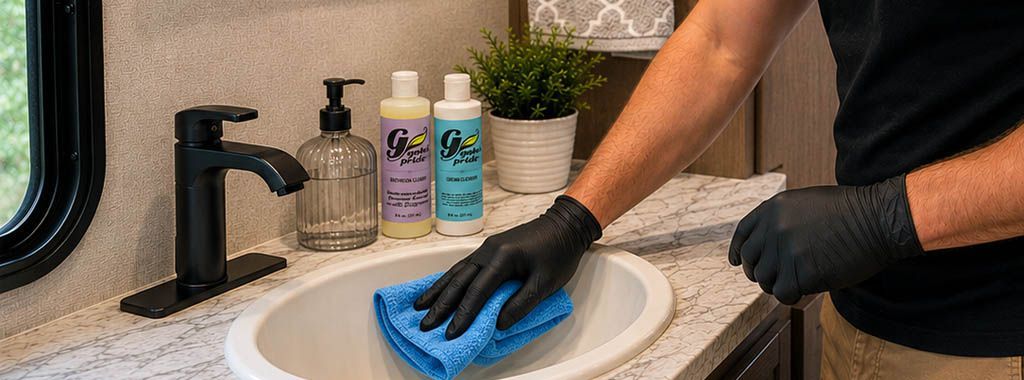
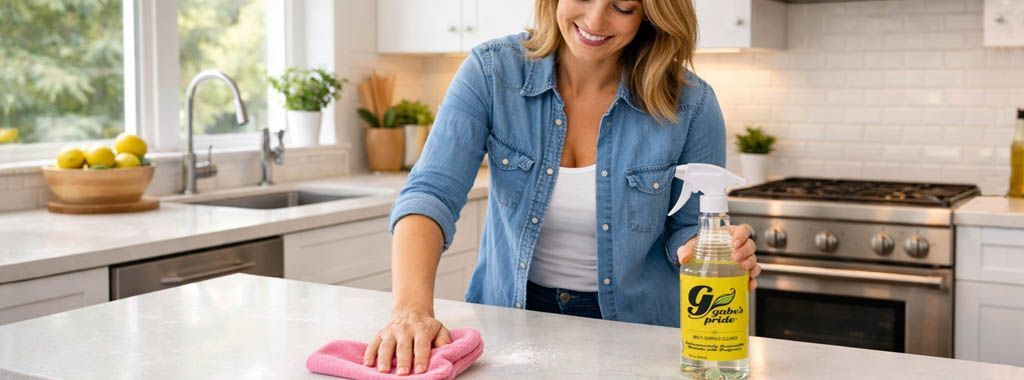
A multi-use cleaner should be around 9 - 9.5 on the pH scale since general household soils such as fingerprints, food crumbs and greasy areas are acidic. A bathroom cleaner should be around 0 - 1 to work effectively against alkaline soils such as soap scum from soaps and shampoos, water spots and mineral deposits and still be safe.

Why is water NOT a type of cleaner?


Water is a pure chemical because it is homogeneous – pure water is the same throughout its structure. It is made up of the same molecules (H2O), each having the same combination and structure of atoms – the same ratio of hydrogen to oxygen, bonded in the same way. This is why water is neutral and not a cleaner.


If water were a cleaner, we wouldn't need toothpaste, dish soap, shampoo, or laundry detergent.


This means using water alone isn’t cleaning and won't achieve the desired results. 


We regularly hear people talk about cleaning without chemicals, but as we now know, this is impossible. Even so-called "safe" or homemade cleaners contain chemicals.


Cleaning products should be chosen because they work and are safe, despite the chemicals.


Together the total ingredients determine how well a cleaning mixture works and how safe it is to use. That's why the quality of the "chemicals" or raw materials is very important. The better the quality, the better they work, requiring less chemical and elbow grease to get the job done and less chemical down the drain.  All of the pieces together keep a cleaner such as Gabe’s Pride biodegradable and safer for all - including Mother Earth.
Morning Park

Why baking soda and vinegar ARE cleaners


Baking soda is sodium bicarbonate which is regularly used in cleaning products. It's an alkaline builder for high pH cleaners (multi-surface or all-purpose cleaners).


So, if you use baking soda to clean and think you're cleaning chemical-free, think again. 


Vinegar's chemical name is acetic acid. Acetic acid is an acidic option used in making bathroom cleaners or acidic-based cleaners. 


Many people use vinegar as a cleaner, but vinegar alone is missing important components that make it an effective cleaner. 


In fact, vinegar can ruin some surfaces over time when used alone as a cleaner. 

Are essential oils effective at cleaning?


When used alone, essential oils don't have cleaning properties. 


Due to being oils, they don’t dissolve in water and, therefore, don't have a pH value. 


Although they have benefits in cleaners, they’re not as effective as a specially designed cleaner because they don't have any cleaning properties. Essential oils can be added to natural homemade cleaners as they help deodorize surfaces. This means that it can leave a nice, fresh smell in your RV or motorhome.

Why you should use high-quality and safe cleaning chemicals 


Using cleaners with chemicals is perfectly fine as long as the chemicals are made with high quality raw materials. The higher the quality, the safer they are and the better they work.


Lower-quality chemicals tend to be harsher, which is not as safe for people or surfaces. They also require more effort to clean, which results in lower quality results.


Even though you might think you're saving money with these products, in reality, you're spending more, working harder, and using more chemicals.   


Many people think they know what they're looking for in the ingredients of cleaners, but just because a specific raw material is in it, doesn't mean it's terrible. An effective, safe cleaner is based on using the safest, highest quality raw materials.  Being biodegradable with recyclable containers is the ultimate. This is possible.

Purchase eco-friendly cleaning products for your RV online 


If you’re looking for eco-friendly, safe, and effective cleaning products that are perfect for cleaning an RV or motorhome, then Gabe’s Pride has what you need!


With over 50 years of professional cleaning experience, at Gabe’s Pride, we produce some of the highest quality cleaners on the market.


From multi-surface sprays and bathroom cleaners to mops and toilet swabs - we have a wide range of cleaning supplies available to purchase online. 


So if you need RV cleaning supplies, check out our range of environmentally friendly cleaning supplies on our online store.


Share this article with your friends

September 10, 2026
Using “elbow grease,” means your cleaner isn’t doing its job.
August 24, 2026
Wax is a crucial tool for keeping the exterior or your RV healthy . Gabe’s Pride does NOT sell wax. But we interact with it a LOT. We found this blog at RV Life to be a helpful, unbiased look at wax options . But it cannot fix existing deep chalkiness. Chalkiness is an advanced stage of degradation on your RV exterior. If an RV's fiberglass has developed severe oxidation, it typically requires a multi-step restoration process. This restoration usually involves compounding, polishing, and then waxing the surface. The CONS for waxing your RV Applying traditional wax over an RV finish comes with significant drawbacks. Time Commitment: The first is the most obvious - Size. Due to the vehicle's sheer mass and harsh outdoor exposure, waxing your RV is a big job. Manually washing and applying paste wax to a 40-foot rig is exhausting and can take multiple days. It’s Temporary: While wax offers a quick gloss, its UV protection and water-repelling qualities typically degrade in just 1 to 3 months, meaning you will need to re-wax multiple times a season to maintain its benefits. Working on Oxidized Gel-Coat: Traditional paste wax will leave an oxidized, faded fiberglass finish looking smudgy, greasy, and streaky. To overcome this, you’ll need to strip the oxidation. This is often accomplished with a polish or heavy wash before wax can be applied. Slide-Out Malfunctions: Waxing the side walls of slide-outs makes the surfaces incredibly slick. Users report that this slickness sometimes prevents the rubber wiper seals from "flipping" correctly , which can lead to leaks and seal damage. While we have not heard this from everyone, we do suggest you consider not waxing the slideouts on your RV. Decal Buildup: Some older or porous decals can absorb wax, causing a cloudy, milky-white buildup in the pores over several applications. You may want to test an area before waxing these . Environmental Limitations: You cannot apply wax in direct sunlight or on a hot surface, as it will cure too quickly, bake onto the finish, and become a nightmare to buff off. Better Alternatives to Wax For RVs with gel-coat or fiberglass surfaces, modern synthetic products are generally preferred over traditional carnauba wax. Polymer Sealants: Products marketed as synthetic waxes (like polymer paint sealants) chemically bond to the surface rather than just sitting on top, providing 4 to 6 months of durability. They are typically easier to apply and buff off than natural wax. Ceramic Coatings: Liquid polymers create a much harder, slicker bond to the clear coat or gel-coat than traditional wax. According to industry consensus, ceramic coatings offer superior UV rejection and can last anywhere from 1 to 5 years, greatly cutting down on maintenance time between washes. See more information on ceramic coatings, here . Regardless of the coating you select, focus on the most vital factors: safety for surfaces, the environment, and people. Consider the efficiency of the cleaning process, evaluating the tools, products, time, and energy required. You can find safe, effective options like Gabe’s Pride RV Streaker Deep Cleaning Concentrate that simplify the entire process.  In a recent blog, we discussed How Your Cleaner Should Affect Your Wax Layer . In this, we covered effective and ineffective cleaners and how they should interact with your wax layer. In our opinion a good cleaner DOES strip away a layer of wax. By the same token, it WILL NOT affect or damage a healthy finish. If the cleaner you’re using doesn’t meet those 2 criteria, please check out our Eco Friendly products. Ditch the Elbow Grease One of the things I LOVE about the RV community is the desire to help. Most of those you meet are more than happy to lend a hand to someone in need. And since we all know that the act of driving a living space across states can “rattle a few things”, we know there’s some effort in the RV Lifestyle. So, accepting that some things just require physical effort is fine. But if doing a better job means letting the tools do the work for you, that's not being “lazy”, that’s working-smart! When it comes to cleaning your RV exterior, if you’re using “elbow grease” that means your cleaner isn’t doing the job. See our customer testimonials here . Gabe’s Pride Streaker will help you with that chore and you won’t regret that choice. Our products are easy on you and mother-Earth, too. Real People Produced and manufactured in the USA, Gabe’s Pride is a family-owned company . We focus on producing top-quality cleaners that are Eco-Friendly. So when you have questions, you can contact us here .
By Pam Kennedy July 31, 2026
How Your Cleaner Should Affect The Wax Layer
June 19, 2026
What is “Green” when it comes to cleaning?
May 27, 2026
Make Cleaning Easier and Eco-Friendly
February 17, 2026
Understanding the Term "Multi-Surface Cleaner"
make-bathroom-cleaning-easy-and-effective
September 15, 2025
Making your project to clean the bathroom successful every time
August 15, 2025
At Gabe’s Pride , we really enjoy our peeps in the RV community! Because we appreciate independence and time on the road, our conversations about cleaning needs cover a lot of ground. We’re thankful for our regular customers! And we appreciate the questions and specific cleaning challenges you bring us at Gabe’s Pride. While we ARE RV and home cleaning experts, gray tanks require a particular knack. That’s why we reached out to the team at Kleen Tank . We urge you to keep in mind that cleaning your gray tank demands time, care and most of all, safety. Why Does the Gray Tank Stink? Believe it or not, gray tanks can have worse odors and be more of a health risk than black tanks – especially galley grays. While black tanks are collecting urine, feces, water, cleaning materials and whatever didn’t “agree with you” last night, gray tanks get everything else. Laundry, Dishes & Heat. Oh My! Germs, bacteria and mold. All three are living things and all three require something from their environment to thrive. Those are: Food Water Heat Shelter  Unfortunately, we can find all of those in your RV’s gray tank. Food particles and a warm, moist environment inside your gray tank make this a perfect breeding ground for germs, bacteria and mold. Most people don’t think about Mold As we discussed in a previous blog, when cleaning your black , the most important ingredient is water! Mold can be trouble enough on its own. However, when mold gets dried out, it can become airborne. Once inhaled, mold can wreak all manner of havoc on your health . Headaches, congestion, cough, and many other symptoms are associated with exposure to mold spores. So what do you do? Because gray tanks generally don’t come with an on-board sprayer, using a reverse flush device is the best way for an RV owner to get extra water into that tank to help flush out food particulates. You may also consider using a water meter to prevent tank overflow. It's important to test the water meter before each use to make sure it's working correctly. To use or not to use an additive. Tank cleaning companies such as Kleen Tank do recommend using additives for cleaning your gray tank. Traditionally they use a Calgon base solution. This is used to coat the sides and prevent waste from sticking. The Kleen Tank team says “use plenty of water” to keep things liquid and moving both before and during the cleaning process. Should you choose to use a tank treatment product, consistency is important. Product formulations may be similar but are not identical. For this reason, frequently changing these may create a chemical reaction. Be careful and always read the instructions and use the product accordingly. When you’re looking for cleaning tips and tools for your RV or home, check us out our products and blogs . Since we’re part of the RV community ourselves, you may see us during this season’s rallies. Our Eco-Friendly cleaning materials are made right here in the USA. And we’re always happy to answer your home and RV cleaning questions. If you have a question that can’t wait, contact us here !
July 18, 2025
The Danger Probably ISN'T What You Think
By Pam Kennedy April 29, 2025
Understanding WHAT you're using to clean surfaces is as important as HOW WELL you clean them.
Show More